
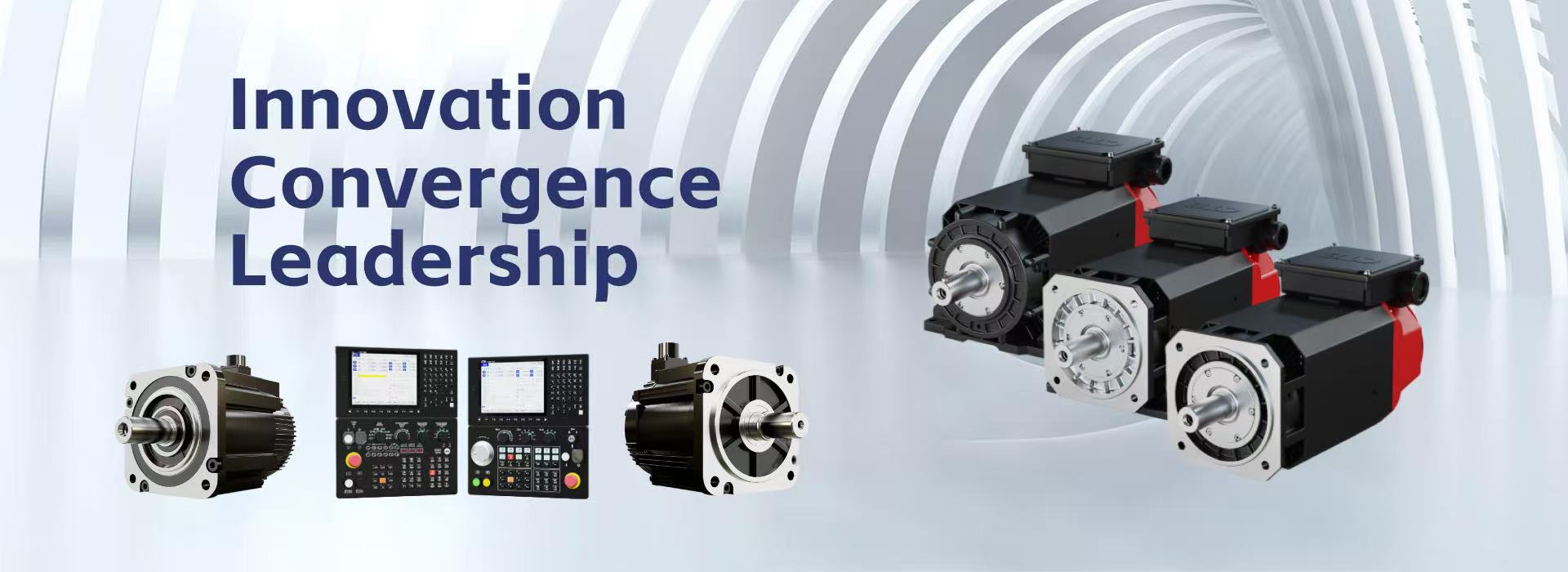
Many customers only focus on price when purchasing motors. After installation, they soon encounter issues: high power consumption, excessive noise, frequent breakdowns and insufficient power to drive equipment.
Price should never be the top priority for motor selection. Proper parameter matching and reliable quality are far more critical. Here are the 5 core parameters every new buyer must know to avoid 90% of common pitfalls ✅

1. Power Rating: Match Working Conditions to Avoid Waste
An underpowered motor will fail to drive equipment and burn out due to overload. An overpowered one leads to energy waste and higher electricity bills. Always select the appropriate power based on actual load and operating scenarios for optimal energy efficiency and durability.
2. Efficiency Class: The Key to Low Power Consumption
IE4 and IE5 super-high efficiency grades are mainstream on the current market. Though high-efficiency motors cost slightly more upfront, they deliver remarkable power savings in the long run. The electricity saved within a year will easily offset the price difference, making them the top choice for enterprise procurement.
3. Insulation Class: Determines Heat Resistance
The insulation class directly affects a motor’s service life. Premium motors adopt Class H insulation, featuring excellent heat resistance and anti-aging performance. They can operate continuously under heavy industrial loads without insulation breakdown or electric leakage.
4. Protection Class: Prevent Damage for Various Scenarios
IP21 and IP23 are widely used grades. They provide effective protection against dust, water droplets and foreign debris, suitable for most demanding environments such as workshops, outdoor sites and construction works, and greatly reduce failure risks.
5. Overload Capacity: Ensure Stability Under Abnormal Loads
High-quality motors support short-time overload operation. They will not shut down suddenly or get damaged amid sudden load fluctuations, ensuring stable production and strong adaptability to complex working conditions.
Procurement Tip
Motors are long-term core equipment. Low-cost inferior motors seem to save money at first, but they actually result in higher electricity fees, frequent maintenance and production delays. Choosing products with standard parameters and solid quality is the true way to cut costs and boost efficiency.