
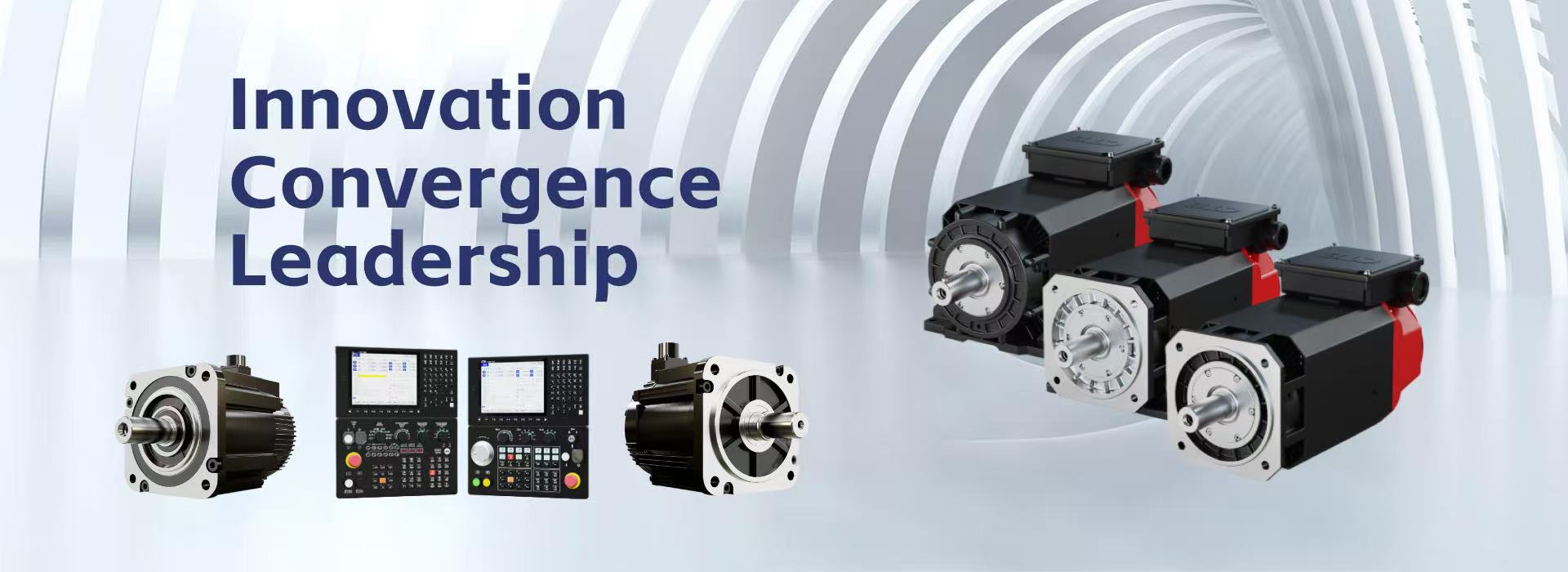
Motors are not afraid of working hard; what they fear is working under constrained conditions.
Motors generate heat during operation. With a reliable thermal design, a motor can deliver stable output. If heat cannot dissipate effectively, temperatures will rise sharply. Consequences range from derated operation in mild cases to insulation failure or permanent magnet demagnetization in severe cases.

Therefore, when selecting a motor, it is necessary to consider not only its output capacity but also its operating environment and thermal design. This involves three key parameters: cooling method, ingress protection (IP) rating, and ambient temperature.
Cooling Method: How Heat Is Removed
Three common cooling methods are listed below in ascending order of heat dissipation capacity:
Natural Cooling
Heat dissipates via natural radiation and convection from the motor housing, with no auxiliary fans or liquid pipelines.
Advantages: Simplest structure, no additional power consumption or noise.
Disadvantages: Limited heat dissipation capacity.
Application scenarios: Low-power servo motors, equipment installed in well-ventilated locations.
Forced Air Cooling
The motor is equipped with a dedicated fan and supporting structures to remove heat mainly through convection.
Advantages: Significantly better cooling performance than natural cooling, relatively simple construction.
Disadvantages: Fan noise, additional power supply required, and finite fan service life.
Application scenarios: Medium to high-power servo motors, especially those installed inside cabinets or poorly ventilated spaces.
Liquid Cooling
Coolant passages are integrated inside the motor housing; circulating fluid (water or oil) carries away heat.
Advantages: Highest heat dissipation capacity, enabling high power output within a compact footprint.
Disadvantages: Complex structure, requiring a complete coolant circulation system, high cost, and risk of fluid leakage.
Application scenarios: High-power and high power-density applications, such as high-power servo spindles and traction motors for electric vehicles.
Selection Guideline: Choose an appropriate cooling method based on motor power and ventilation conditions at the installation site. When in doubt, prioritize forced air cooling with sufficient thermal margin.
Ingress Protection (IP) Rating: Dust and Water Resistance
The IP rating consists of two digits following the letters “IP”. The first digit indicates solid particle protection (dust resistance), while the second denotes liquid ingress protection (water resistance). Common specifications are outlined below:
First Digit (Dust Protection)
IP5X: Dust protected. Dust ingress is not fully prevented, but accumulated dust will not impair normal operation.
IP6X: Dust tight, the highest dust protection class.
Second Digit (Water Protection)
IPX4: Splash protected. Protected against splashing water from any direction under specified conditions with no harmful effects.
IPX5: Jet protected. Protected against water jets from any direction under specified conditions with no harmful effects.
Common Combinations
IP54: Dust protected + splash protected, standard specification for dry indoor environments.
IP65: Dust tight + jet protected, suitable for humid or dusty workshop environments.
Common Misconception: A higher IP rating is always better. In reality, higher IP ratings mean tighter sealing, which impedes heat dissipation.
Selection Guideline: Select based on actual operating conditions rather than overspecifying protection. IP54 suffices for dry indoor environments; IP65 is used for dusty or humid conditions; IP67 is only considered where high-pressure washing is required.
Ambient Temperature: Operating Temperature Range of the Motor
Ambient temperature directly affects motor cooling efficiency and service life. Servo motors typically have a rated operating temperature range of 0 °C to 30 °C, with some models extendable to -20 °C to 50 °C.
Impacts of High Temperatures
Reduced cooling efficiency, leading to more rapid temperature buildup.
Risk of permanent magnet demagnetization. For neodymium iron boron magnets, performance declines noticeably above 80 °C.
Accelerated aging of insulating materials and shortened service life.
Impacts of Low Temperatures
Thickened lubricating grease, increasing starting resistance.
Embrittlement of certain materials and reduced mechanical strength.
Selection Guideline:
Confirm the temperature range at the equipment installation site to ensure compatibility with the motor’s allowable operating range.
If ambient temperature exceeds 30 °C, either select a motor of the next higher frame size to reserve temperature rise margin or upgrade the cooling system.
If ambient temperature falls below 0 °C, verify the low-temperature tolerance of lubricating grease and structural materials.
Interplay Between the Three Parameters
These three parameters are mutually interactive:
Higher IP rating → poorer heat dissipation → requires a more powerful cooling system or derated operation.
Higher ambient temperature → poorer heat dissipation → requires a more powerful cooling system or derated operation.
Stronger cooling capacity → greater tolerance for higher IP ratings and elevated ambient temperatures.
Motor selection must evaluate all three parameters comprehensively rather than assessing any single one in isolation.
Summary
Cooling Method: Use natural cooling if adequate; adopt forced air cooling when necessary; implement liquid cooling for demanding thermal loads.
IP Rating: Specify only the required protection level; do not compromise heat dissipation for hypothetical risks.
Ambient Temperature: Reserve thermal margin above 30 °C; validate low-temperature adaptability below 0 °C.
Parameter Synergy: High protection rating combined with high ambient temperature mandates enhanced cooling.