
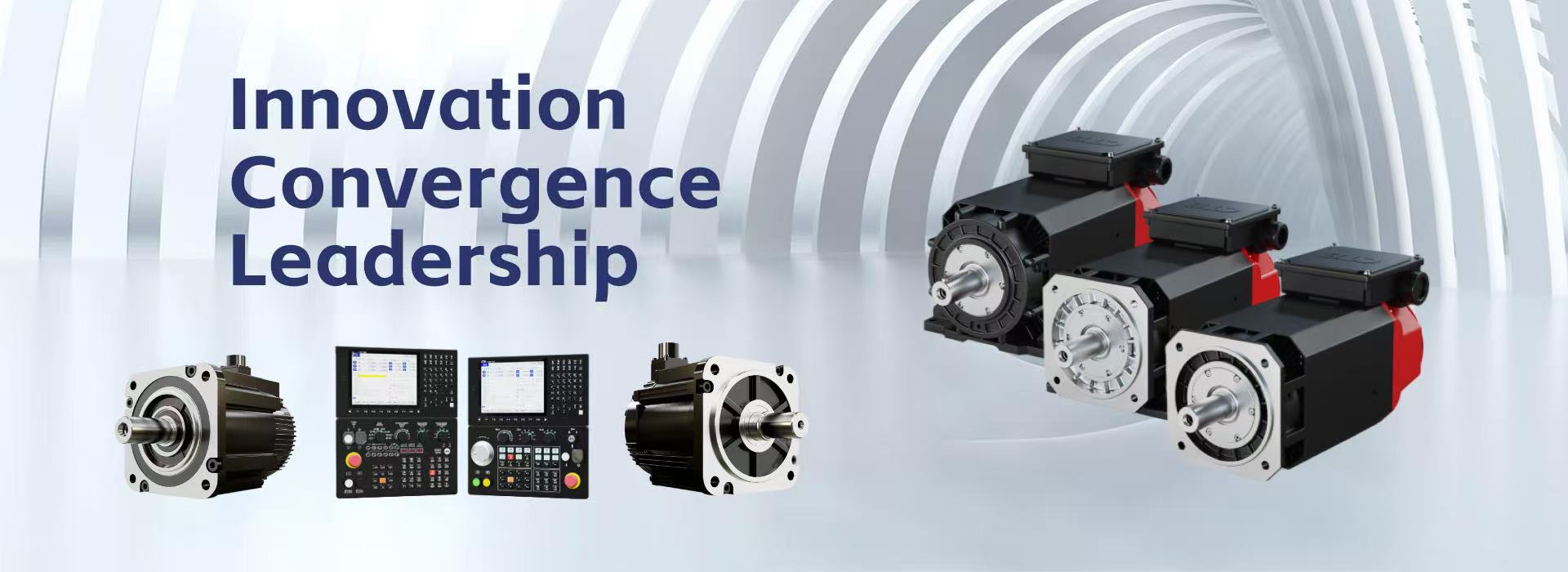
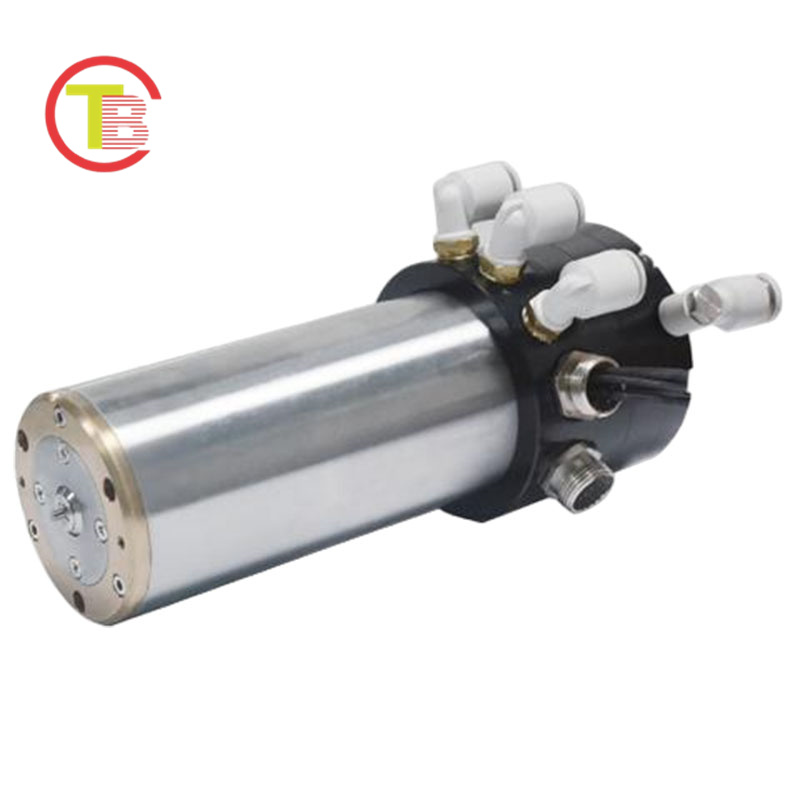
An air-floating motor spindle is a high-precision rotating unit integrating high-speed motors and gas bearings, including aerostatic and aerodynamic bearings. It achieves non-contact support via a nano-scale air film formed by compressed gas, featuring zero friction, low thermal deformation, ultra-high rotational speed and superior cleanliness. As a core component of high-end CNC machine tools, China’s air-floating motor spindle market reached 1.42 billion yuan in 2024, with a year-on-year growth rate of 4.64%. Driven by booming emerging industries such as 5G, artificial intelligence and new energy vehicles, air-floating motor spindles will expand application coverage to robotics, photovoltaic and other sectors. Industrial vertical integration and global layout will foster a new development pattern featuring technological leadership, industrial coordination and global competitiveness.
Leveraging profound market insights, long-term survey data and frontline practical experience, the industrial research team of Zhiyan Consulting has compiled the 2026-2032 China Air-floating Motor Spindle Industry Market Scale and Development Prospect Assessment Report. Centering on core industry topics including development trends, market demands, investment orientation, operational strategies and practical cases, the report aims to cooperate with industrial participants to seize new opportunities and advance the sound development of the sector.
Core Insights
Favorable Industry Growth Drivers
Emerging industries generate robust market demand. Rapid expansion of 5G base station construction, over 40% penetration rate of new energy vehicles and surging shipments of AI servers raise stringent requirements for precision machining. Technological advancements further boost product performance: silicon nitride ceramic bearings and carbon fiber composite materials enhance spindle rigidity and high-temperature resistance. AI health management systems enable predictive maintenance, and dynamic stiffness adjustment technologies adapt to diverse operational scenarios.
Industrial Chain Layout
The upstream sector covers raw materials and spare parts such as stainless steel, titanium alloy, aluminum alloy, copper, silicon steel sheet, ceramics, graphite, rubber, air bearing assemblies, motors, sensors, air pipe connectors and filters. It also includes production equipment like CNC machine tools, high-precision grinders, lathes, milling machines, electrical discharge machines, laser cutters and 3D printing devices.
The midstream refers to the manufacturing and assembly of air-floating motor spindles.
Downstream applications span PCB drilling and processing, semiconductor wafer dicing and slicing, ultra-precision grinding and optical machining, precision manufacturing of consumer electronics, high-speed cutting of aerospace composite materials, and medical device micro-processing.
The midstream refers to the manufacturing and assembly of air-floating motor spindles.
Downstream applications span PCB drilling and processing, semiconductor wafer dicing and slicing, ultra-precision grinding and optical machining, precision manufacturing of consumer electronics, high-speed cutting of aerospace composite materials, and medical device micro-processing.
Market Scale
Serving as the core component of high-end CNC machine tools, air-floating motor spindles determine the capacity of ultra-high precision and high-speed machining. Their technical maturity underpins the independent controllability of strategic industries including semiconductors and precision optics. The domestic market size hit 1.42 billion yuan in 2024, growing 4.64% year on year. Industrial upgrading and intelligent manufacturing drive rising demands from semiconductors, new energy vehicles and aerospace sectors, fueling steady market expansion.
Competitive Landscape
The domestic industry is undergoing breakthrough localization with both opportunities and challenges. Market demand keeps rising and domestic substitution accelerates, while high-end product development still faces bottlenecks.
Haozhi Electromechanical stands as a leading global manufacturer of high-speed precision motor spindles. Its DQF-200 series achieves a rotational speed of 200,000 rpm and rotational accuracy of 0.1μm, dominating the high-end market for semiconductor and PCB drilling.
Mafei Precision specializes in ultrasonic processing technology. Its D100 ultrasonic air-floating spindles and HSK-E tool holders apply to precision machining of lathes, grinders and milling machines, and the enterprise leads the formulation of national standards for ultrasonic processing.
Haozhi Electromechanical stands as a leading global manufacturer of high-speed precision motor spindles. Its DQF-200 series achieves a rotational speed of 200,000 rpm and rotational accuracy of 0.1μm, dominating the high-end market for semiconductor and PCB drilling.
Mafei Precision specializes in ultrasonic processing technology. Its D100 ultrasonic air-floating spindles and HSK-E tool holders apply to precision machining of lathes, grinders and milling machines, and the enterprise leads the formulation of national standards for ultrasonic processing.
Demand Trends
Booming emerging industries sustain growing market demand. Surging needs for high-frequency high-speed PCBs, HDI boards and packaging substrates driven by 5G, AI and new energy vehicles boost spindle adoption in semiconductor packaging and PCB drilling. Rising demands for aerospace composite cutting and medical micro-processing require spindles with higher rigidity, lower vibration and better cleanliness. New application scenarios emerge in robotics, photovoltaic and hydrogen energy industries. Frequent iteration of consumer electronics also raises higher standards for machining efficiency and precision.
Market Development Trends
Accelerated technological iteration elevates product performance. Future spindles will achieve breakthroughs in ultra-high speed up to 300,000 rpm and nanometer-level precision. Advanced composite materials reduce energy consumption while improving durability. Integrated AI health management systems conduct real-time data analysis via vibration and temperature sensors to forecast faults and extend service life. Dynamic stiffness adjustment meets differentiated needs of wafer thinning and PCB drilling, improving overall equipment efficiency.
Deepening industrial chain integration and global business expansion enhance corporate competitiveness. The market will form a pattern led by top enterprises, with fierce competition in mid-end segments and breakthrough growth in niche markets. Differentiated technology and scenario-oriented development will become core competition factors, driving the industry toward higher precision, intelligence and reliability.
Deepening industrial chain integration and global business expansion enhance corporate competitiveness. The market will form a pattern led by top enterprises, with fierce competition in mid-end segments and breakthrough growth in niche markets. Differentiated technology and scenario-oriented development will become core competition factors, driving the industry toward higher precision, intelligence and reliability.